Explore our high-performance apparel and personal safety collections engineered for demanding athletic, safety, and training environments.
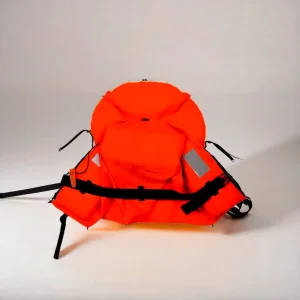
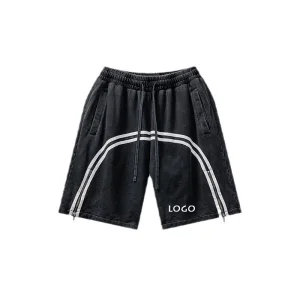

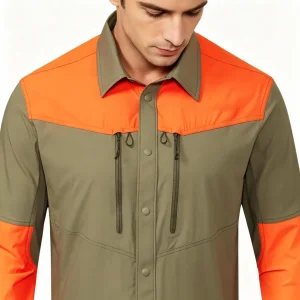
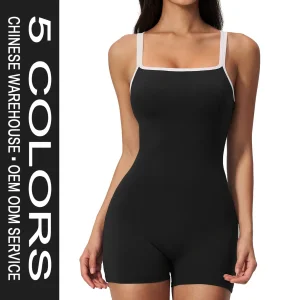
An in-depth analysis of supply chains, quality benchmarks, and the industrial landscape powering the combat sports market.
The global martial arts and combat sports industry is experiencing an unprecedented structural shift. Driven by the expansion of professional promotions such as the UFC, ONE Championship, and Bellator, alongside a massive surge in local martial arts academies (BJJ, Muay Thai, Karate, and Taekwondo), the demand for premium combat sports gear has escalated. B2B buyers—including brand owners, bulk distributors, gym chains, and institutional buyers—face complex supply chain landscapes where a manufacturer's structural compliance, engineering capability, and raw material sourcing directly impact brand equity and product safety.
When sourcing combat gear like boxing gloves, shinguards, rashguards, and heavy bags, procurement officers must evaluate suppliers beyond simple price-per-unit metrics. Key variables such as impact absorption index, tensile strength of synthetic leathers (such as Microfiber and engineered PU), structural stitching styles, and chemical compliance (REACH & RoHS) dictate whether a product succeeds in a competitive retail and institutional landscape.
Evaluation of microfiber leather tensile strength, multi-layer high-density EVA foam infusion, and specialized shock-dissipation gels designed for repeated high-impact stresses.
Proper anatomical fist alignment, thumb protection mechanisms, and dynamic wrist stabilization configurations to reduce athlete injury rates and enhance strike feedback.
Verification of international factory standards including BSCI, ISO 9001:2015, Sedex, and chemical safety certifications to ensure zero-risk export clearance.
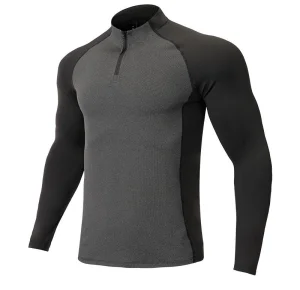
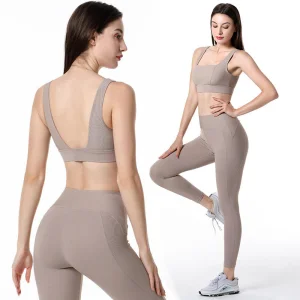
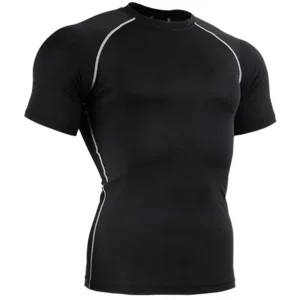
An essential component of martial arts gear is high-performance compression apparel. Let's look at one of the primary industry leaders driving this space.
Guangzhou Wearth Apparel Co., Ltd. is a professional sportswear manufacturer and activewear supplier specializing in OEM and ODM athletic apparel solutions for global brands, wholesalers, retailers, and sportswear startups. Located in Guangzhou, China, the company has built a strong reputation for delivering high-quality sports clothing that combines functionality, comfort, and modern design.
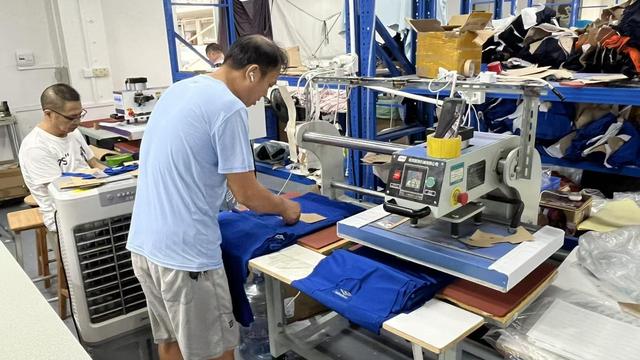
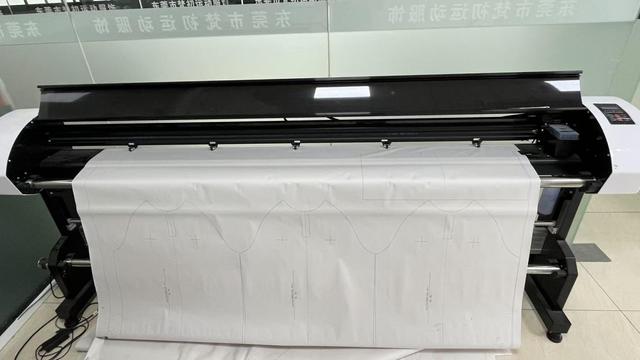
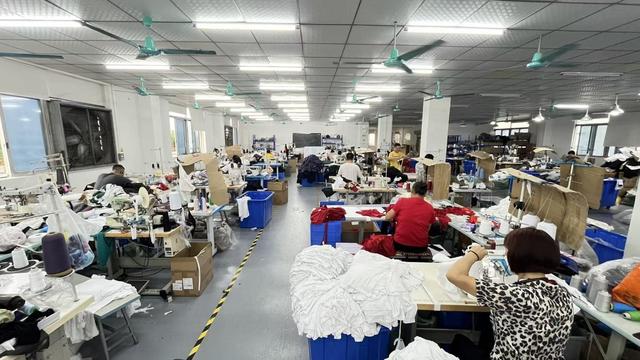
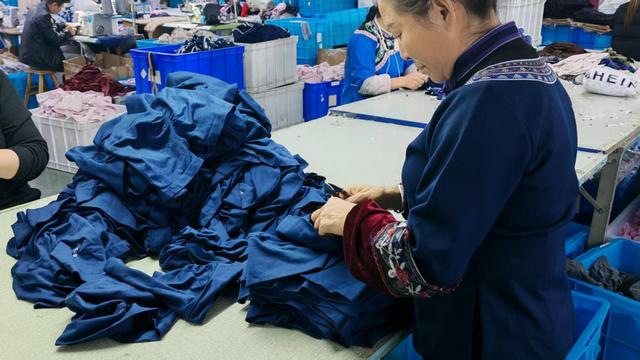
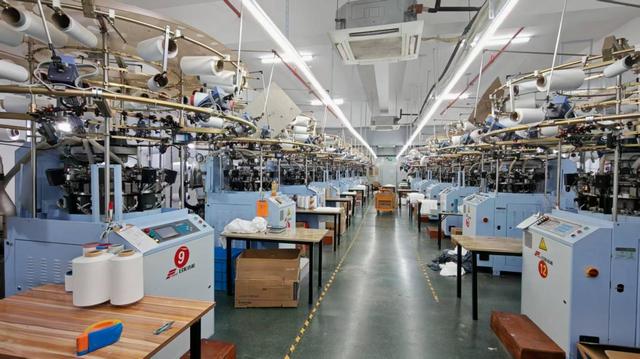
Established in 2012, Wearth Apparel operates a modern manufacturing facility covering over 8,000 square meters and employs more than 180 skilled professionals. The company is equipped with advanced production lines, digital pattern-making systems, fabric inspection equipment, and strict quality control processes to ensure consistent product performance and reliable delivery.
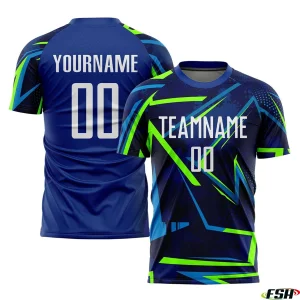
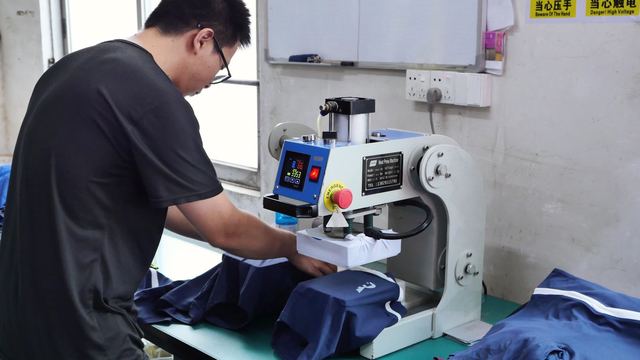
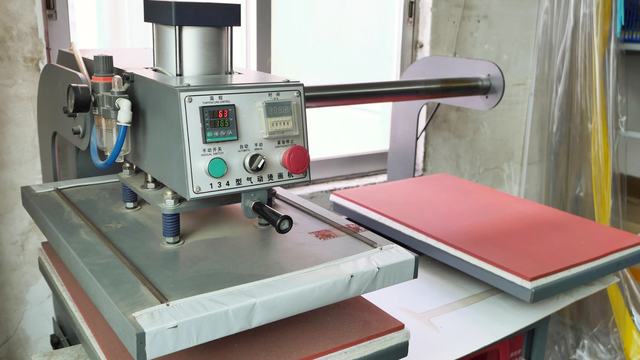
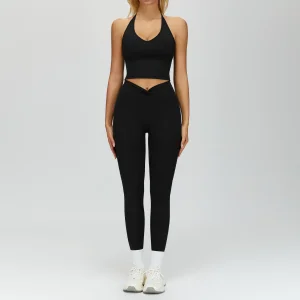
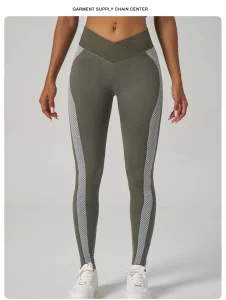
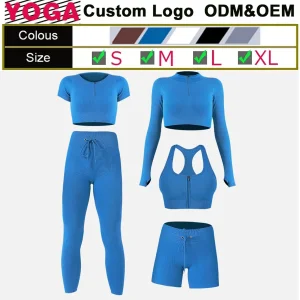
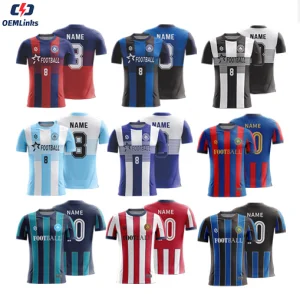
Wearth Apparel offers a comprehensive range of products, including fitness wear, gym apparel, running clothing, yoga wear, training uniforms, cycling apparel, team sportswear, compression garments, and outdoor activewear. The company supports custom logo printing, sublimation printing, embroidery, private labeling, and customized packaging services to meet diverse market requirements.
With extensive experience in international manufacturing standards, Wearth Apparel works closely with customers throughout product development, sampling, production, and logistics. The company places strong emphasis on fabric innovation, moisture-wicking technology, durability, and sustainable material options to support evolving market demands.
Serving customers across North America, Europe, Australia, Southeast Asia, and the Middle East, Guangzhou Wearth Apparel Co., Ltd. remains committed to providing reliable manufacturing solutions, competitive production capabilities, and long-term business partnerships. Through continuous investment in technology, workforce training, and quality management, the company strives to support the growth of sportswear brands worldwide with efficient and flexible apparel manufacturing services.


A multi-year projections framework highlighting material science advancements and automated manufacturing processes.
Modern martial arts manufacturing relies on complex, multi-layered padding architectures. Gone are the days of single-layer latex foam. Today, top factories utilize a combination of Injection Molded Foam (IMF), high-density EVA, and custom viscoelastic polyurethane gels. These elements are mapped anatomically to maximize energy distribution across the fist, shin, or head, drastically reducing the impact force transmitted to the athlete's joints and skeletal structures.
For combat apparel such as rash guards, compression spats, and shorts, material selection requires high-tensile poly-spandex blends (typically 80% Polyester, 20% Spandex) at a density of 240-280 GSM. The integration of four-way stretch fabric with flatlock reinforced stitching ensures maximum mobility without risk of tearing under high friction (typical in wrestling and Brazilian Jiu-Jitsu). Additionally, Sublimation Printing Technology has become the gold standard, infusing dyes directly into the fibers to prevent cracking, fading, or peeling over time.
As international consumer pressure moves toward ecological sustainability, factories are investing heavily in recycled polyester (rPET) derived from post-consumer plastic waste. Leading certifications, such as the Global Recycled Standard (GRS) and OEKO-TEX Standard 100, are now standard checklist requirements for Tier-1 brands when selecting long-term B2B contract manufacturing partners.
The convergence of sensor technology and traditional gear is paving the way for next-generation combat gear. Smart boxing gloves and heavy bags containing integrated micro-accelerometers and gyroscopes can record punch velocity, impact power, strike frequency, and directional force. This data is transmitted via Bluetooth to mobile applications, allowing coaches and athletes to track training load and mechanical efficiency in real time. Manufacturers are adapting their product development lines to handle the structural housing requirements of these delicate electronic components, ensuring they remain protected under high impact.
The regulatory and testing protocols essential to global imports and distribution of martial arts equipment.
For European distribution, protective equipment (shin guards, headgear, body protectors) must conform to EN 13277 standards, verifying thickness, impact attenuation, and strap fastening security.
Material testing for heavy metals, phthalates, and AZO dyes under REACH (Europe) and CPSIA (USA) regulations, ensuring safety for direct skin contact during sweaty workouts.
Business Social Compliance Initiative audits ensure clean working conditions, fair pay, and strict prohibition of forced or child labor at all manufacturing touchpoints.
In addition to safety certifications, physical quality testing must be performed on-site at the manufacturing facility. Leading factories feature specialized laboratory spaces housing pneumatic impact testers, leather wear testers (which simulate surface friction over thousands of cycles), and constant-velocity pulling machines to test seam strength. B2B buyers should request access to these internal test logs or work with third-party testing agencies (like SGS or Intertek) to conduct pre-shipment inspections.
Expert answers addressing the complexities of global martial arts gear manufacturing, customization, and logistics.
Premium athletic cuts, performance compression sets, and technical fabrics tailored for heavy training and multi-sport applications.



 Wearth Apparel