Sportswear is essential for athletes and fitness enthusiasts alike. But what is sportswear made of? Understanding the materials helps in selecting the right gear. High-performance clothing uses a blend of fabrics designed for comfort, durability, and breathability.
Commonly, fabrics like polyester, nylon, and spandex dominate the sportswear market. These materials offer flexibility and moisture-wicking properties. They keep athletes dry during intense workouts. However, not all sportswear is created equal. Some brands prioritize style over functionality, leading to potential discomfort.
Environmental considerations also play a role in fabric choices. Sustainable options are becoming more popular. Yet, many consumers still overlook these choices. It’s important to ask questions about production methods and material sources. Awareness can lead to better decisions. Exploring what is sportswear made of allows for a deeper appreciation of its impact on performance and the planet.
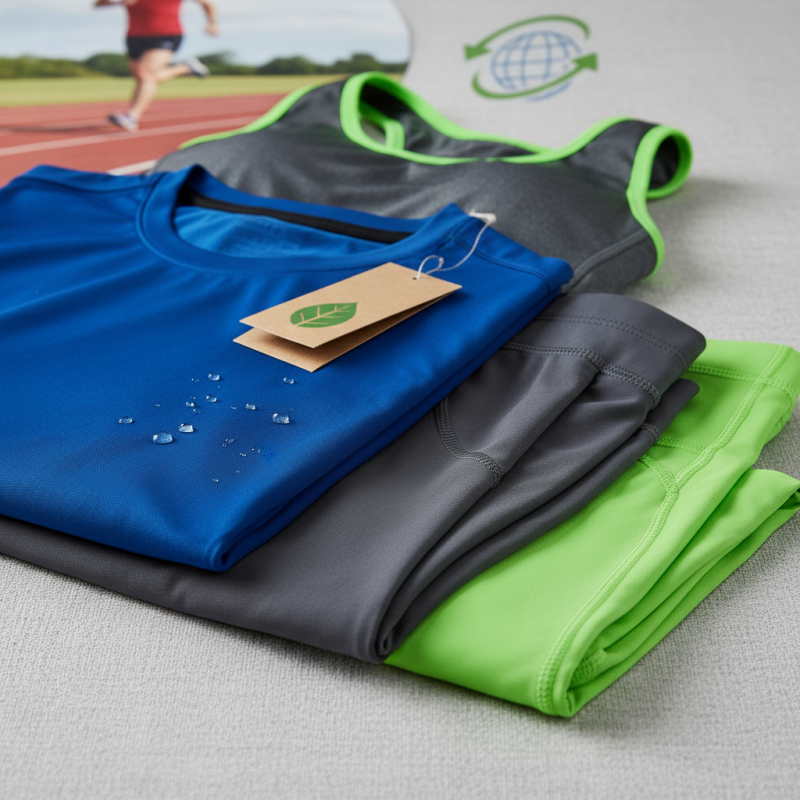
What Materials Are Commonly Used in Sportswear?
Sportswear is crafted from a variety of materials, each chosen for specific benefits.
Polyester is popular for its durability and moisture-wicking properties. It helps keep athletes dry by quickly evaporating sweat. This fabric is lightweight, making it ideal for running and training.
Another common material is nylon. It is known for its stretchability and strength. Nylon blends like spandex offer flexibility, allowing for a full range of motion. However, it can be less breathable than other materials, which sometimes results in overheating during intense workouts.
Cotton is also occasionally used in sportswear. While it feels soft against the skin, it absorbs moisture. This can lead to a heavy and uncomfortable experience during long sessions. Some exercise enthusiasts prefer blends that combine the softness of cotton with the performance features of synthetic fibers.
Sustainability is also a growing concern. Some brands are exploring recycled materials, creating innovative fabrics that are kinder to the environment. The choice of material can greatly affect performance and comfort, so careful consideration is essential.
Natural Fabrics vs. Synthetic Fabrics in Sportswear
When it comes to sportswear, the choice between natural and synthetic fabrics is crucial.
Natural fabrics, like cotton and wool, offer breathability and comfort.
Reports suggest that cotton is preferred for its softness against the skin. However, cotton absorbs moisture and can become heavy.
This issue can hinder performance in high-intensity workouts, where sweat management is vital.
Synthetic fabrics, such as polyester and nylon, have emerged as game-changers.
These materials are lighter and wick away moisture effectively.
In fact, studies show that polyester absorbs only 0.4% of its weight in water.
This makes it ideal for athletes needing quick-drying garments.
Yet, synthetic fabrics can lead to discomfort in extreme heat. They often trap heat and can become stifling during prolonged use.
In evaluating these options, it’s clear that both fabric categories have strengths and drawbacks.
Athletes must consider their specific needs when choosing sportswear. Some may favor the natural feel of cotton, while others may prioritize the performance benefits of synthetic options.
Understanding these differences can enhance the overall athletic experience, making informed choices essential in sportswear selection.
The Role of Moisture-Wicking Technology in Sports Clothing
Moisture-wicking technology is a cornerstone of modern sportswear. This innovation is designed to manage sweat and keep the body dry. By drawing moisture away from the skin, these fabrics enhance comfort during physical activity. Research shows that fabrics that incorporate moisture-wicking properties can reduce the risk of overheating. According to a study by the Journal of Sports Sciences, athletes wearing such clothing reported a 10% improvement in comfort levels.
The material composition plays a crucial role in moisture management. Synthetic fibers, such as polyester and nylon, are commonly used for their lightweight and quick-drying properties. These textiles allow athletes to perform at their best without distraction. Notably, athletes can lose up to 1.5 liters of sweat per hour during intense exercise, highlighting the need for effective moisture control. However, not all moisture-wicking fabrics perform equally. Some options may not effectively transport sweat away, leading to uncomfortable experiences.
In recent years, advancements in fabric technology have led to significant improvements. Many brands now incorporate treatments that enhance moisture-wicking capabilities. Yet, it's crucial to weigh these benefits against environmental impact. Sustainable options can be less effective at moisture management, urging the industry to reflect on the balance between performance and sustainability. As technology evolves, finding the right moisture management solution remains paramount for athletes and casual users alike.
Sustainable Materials and Their Impact on Sportswear Design
Sustainable materials are reshaping the sportswear industry. According to a 2022 report from the World Economic Forum, 57% of consumers prioritize sustainability when purchasing apparel. This shift drives brands to explore eco-friendly options. Recycled polyester, for instance, uses up to 50% less energy compared to virgin materials. Additionally, organic cotton reduces water usage by 91% in farming practices.
Designers are experimenting with hemp and bamboo, known for their low environmental impact. Reports suggest that bamboo can grow up to three feet in a single day. However, these materials sometimes face challenges in durability and performance. Sportswear made from recycled ocean plastics has gained traction but often struggles with stretch and breathability.
While the move towards sustainability is commendable, it’s not without flaws. Quality control can be inconsistent among sustainable fabrics. There is also a need for more education on proper recycling practices. Innovation is essential, but brands must balance sustainability with functionality and style.
Understanding the Importance of Breathability and Stretch in Fabrics
Breathability is crucial in sportswear fabrics. It allows sweat to evaporate, keeping the body cool during intense workouts. Fabrics like mesh or moisture-wicking materials enhance airflow. This becomes especially important in high-temperature environments. Athletes need to remain comfortable while performing at their peak.
Stretch is another essential quality in sportswear. Stretch fabrics provide flexibility and support. They allow freedom of movement without restriction. For instance, fabrics with elastane enable a snug fit without compromising comfort. However, finding the right balance between fit and mobility can be challenging. Too tight may hinder performance, and too loose can lead to chafing.
It’s essential to remember that not all breathable fabrics are created equal. The effectiveness of breathability depends on the fabric's weave and composition. Similarly, the quality of stretch can vary significantly. Choosing the right material can make a noticeable difference in your workout experience. Reflecting on what works best for you can lead to better choices in future gear.
Understanding the Composition of Sportswear Fabrics
FAQS
: Common materials include polyester, nylon, and cotton. Each has unique benefits for athletes.
Polyester is durable and moisture-wicking. It keeps athletes dry by evaporating sweat quickly.
Nylon offers stretch and strength. It allows flexibility but may cause overheating during workouts.
Cotton feels soft but absorbs moisture. This can lead to discomfort during extended exercise sessions.
Moisture-wicking technology manages sweat and enhances comfort. It helps keep athletes dry during physical activity.
Athletes can lose up to 1.5 liters of sweat per hour during intense workouts.
Breathability allows sweat to evaporate, keeping the body cool during workouts. It's crucial for performance.
Stretch allows freedom of movement. It provides support but can be hard to balance with fit.
No, not all moisture-wicking fabrics perform equally. Some may not manage sweat effectively, leading to discomfort.
Sustainable options are emerging, but they may be less effective at moisture management. This balance is still a challenge.
Conclusion
Sportswear is designed for optimal performance and comfort, raising the question: what is sportswear made of? Commonly used materials include both natural fabrics like cotton and wool, and synthetic fabrics such as polyester and nylon. Each type has its advantages; natural fabrics offer comfort while synthetics provide durability and moisture management.
Moisture-wicking technology plays a crucial role in keeping athletes dry by drawing sweat away from the body. In recent years, there has been a growing emphasis on sustainable materials, leading to innovative designs that minimize environmental impact. Additionally, breathability and stretch are vital factors in sportswear, ensuring flexibility and airflow during physical activity. Understanding these aspects helps consumers appreciate the science behind the garments that enhance their performance.

 Wearth Apparel