Choosing sportswear is not only about attractive colors or familiar brand names. The right garment can affect comfort, movement, temperature control, and confidence during exercise. A runner may need lightweight fabric and secure seams, while a beginner at the gym may value stretch, coverage, and easy washing. Understanding how to choose the right sportswear helps buyers match clothing with real training conditions instead of buying from appearance alone.
Small details often matter. A waistband that rolls during squats can become distracting within minutes. Thick cotton may feel soft in a store, but it can remain wet after a long workout. Breathable panels, flat seams, supportive construction, and practical pockets deserve careful attention. Buyers should check fabric labels, examine stitching, and consider whether the clothing suits indoor, outdoor, hot, or cold environments. Fit is personal, but restricted movement is a warning sign.
Personal experience can guide a purchase, yet it is not always reliable. A shirt that worked well for one cycling session may fail during repeated washing. Marketing claims can also sound impressive without explaining testing methods or durability. Buyers should compare product information, return policies, user feedback, and guidance from qualified sportswear professionals. No garment is perfect. Even careful choices may need adjustment after real use. The most dependable decision comes from testing comfort, observing performance, and reflecting honestly on what the body and activity actually require.
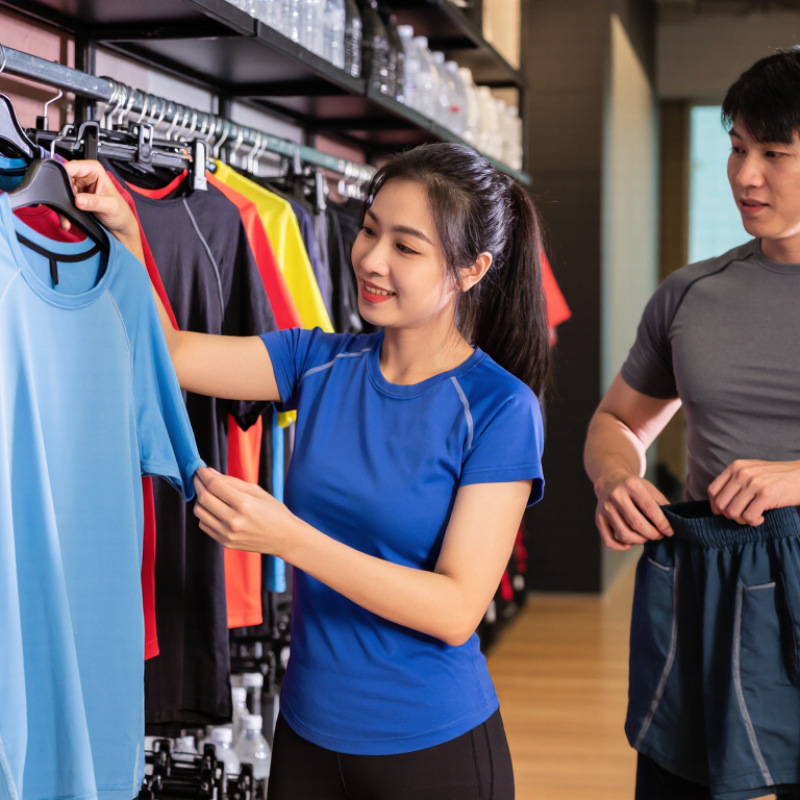
Choosing the right sportswear matters because clothing affects movement, comfort, and training consistency. A shirt that traps sweat can feel heavy after twenty minutes. Tight seams may rub the shoulders during repeated arm movements. Small problems become distracting.
Fabric choice should match the activity and environment. Breathable synthetic blends can move moisture away from the skin during indoor training. Lightweight layers help regulate temperature during outdoor exercise. For cold weather, a close-fitting base layer can reduce heat loss without restricting movement. Check the stretch around the knees, shoulders, and waist. You should move naturally, not fight the garment.
Fit is more than choosing a familiar size. Try raising your arms, bending your knees, and taking several steps. Watch for fabric pulling across the chest or bunching behind the knees. Waistbands should stay secure without leaving deep marks. I once underestimated how much a fabric changed after washing, so care instructions deserve attention. That mistake was avoidable. Wash sportswear as directed, and inspect stitching before frequent use. Loose threads, weak elastic, or poor ventilation can reduce comfort and durability.
Good sportswear also supports safer habits. Clear visibility matters for outdoor activities in low light. Proper coverage can protect skin from friction and changing weather. Buyers should consider activity intensity, climate, body movement, and maintenance time before purchasing. The best choice is not always the softest garment. It is the one that remains comfortable when the workout becomes demanding.
Choosing sportswear starts with your actual routine, not a fashionable image. Ask where, how often, and how intensely you train. A runner on wet roads needs different protection from someone lifting indoors. Write down these conditions before shopping. Small details matter. Note temperature, wind, surface, duration, and laundry frequency. If you commute in workout clothes, include that too. I once chose a lightweight shirt for a cool morning, then regretted it when the wind increased. Experience exposes gaps that product descriptions may hide.
Match fabric behavior to the activity. Breathable material can reduce clamminess during intervals, while a denser layer may retain warmth during slow outdoor sessions. Check stretch around your shoulders, hips, and knees. Raise your arms and squat before deciding. Seams should not rub after repeated movement. Look for secure pockets if you carry keys or a phone. Reflective details can improve visibility near traffic, but they do not replace safe routes or lights. Measure yourself carefully, yet treat size charts as guidance rather than certainty. Different cuts can fit differently. That is annoying, but real.
Build a practical set instead of buying everything at once. One dependable base layer, supportive bottoms, and a weather-appropriate outer layer may cover several sessions. Consider skin sensitivity, washing instructions, and drying time. Test clothing during a short, easy workout before using it for a long event. Notice pressure, overheating, slipping, and trapped sweat. Keep a brief note after each session. Your first choice may be wrong. Adjust based on evidence, not enthusiasm. Expert advice helps when pain, unusual swelling, or persistent irritation appears; qualified medical guidance matters more than a confident online opinion.
Moisture regain indicates how much moisture a textile fiber absorbs from the surrounding air. Lower values generally support faster drying, while higher values can provide a softer feel but may retain more moisture during intense exercise. Choose sportswear according to activity intensity, climate, drying needs, and personal comfort.
Choosing sportswear starts with the activity, not the color or logo. Running creates repetitive heat and sweat, so lightweight polyester or nylon can move moisture quickly. Look for mesh panels and flat seams around the shoulders. Cotton feels soft, but it absorbs sweat and dries slowly during long sessions. That can leave fabric cold against the skin.
For strength training, a dense nylon-elastane blend usually offers useful stretch and recovery. It should bend at the knees without becoming transparent.
Yoga needs softer, four-way stretch fabric with a stable waistband. For hiking, merino wool can manage odor and temperature changes, while a synthetic outer layer dries faster after rain.
No fabric wins every test. I have found that “breathable” labels can mislead without construction details, such as fabric weight, ventilation zones, and seam placement.
Material scale also deserves attention. Textile Exchange’s 2024 Materials Market Report estimated global fiber production at 124 million tonnes in 2023. Polyester represented about 57% of that volume.
That dominance makes durability and washing habits important buying criteria. An IUCN report estimated synthetic textiles contributed around 35% of primary microplastic releases into oceans. The figure is widely cited, but measurement methods remain imperfect. Buyers can choose durable garments, wash them less often, and use cooler, gentler cycles. Check the fabric after movement, not just under store lighting. A sleeve that twists during a shoulder press is already giving useful evidence.
Choosing sportswear well starts with observing how it fits your body in motion. I test shirts by raising my arms, twisting my torso, and bending forward. Seams should stay flat, without digging into the shoulders or waist. A waistband should feel secure, not restrictive. Check the fabric around the knees and elbows. It should stretch smoothly and recover its shape. Loose clothing may feel comfortable, but excess material can catch during training.
Comfort depends on small details. Run your fingers across inner seams, labels, and elastic edges. Rough stitching can become painful after an hour of movement. Breathable fabric should release heat around the back and chest. However, “breathable” does not always mean cool. I once trusted a thin fabric that became clammy during a short run. That assumption was wrong. Try the garment indoors before removing tags, and notice pressure points after several minutes.
Performance should match the activity, not advertising language. For running, look for lightweight construction, stable support, and quick-drying material. For strength training, prioritize stretch, durability, and coverage during deep squats. Test pockets with keys or a phone. They should remain stable without pulling the fabric down. Wash the item according to its care instructions, then inspect shrinkage, fading, and odor retention. Small flaws matter. A garment that looks excellent in a fitting room may perform poorly after repeated use.
Why Buyers Need to Know How to Choose the Right Sportswear?
How to Compare Quality, Price, and Product Care
Choosing sportswear is not only about a soft fabric or a low price. I inspect seams, stretch recovery, fabric density, and waistbands before buying. Loose stitching often appears after only a few washes. The Textile Exchange Materials Market Report 2024 states that global fiber production reached 124 million tonnes in 2023. Polyester represented about 57% of that volume. This makes material choice important, especially when comparing recycled and conventional fibers. However, recycled content alone does not guarantee durability.
Price needs context. A cheaper shirt may cost more if it loses shape quickly. I compare cost per expected wear, not just the checkout total. For example, a $30 top worn 30 times costs $1 per wear. A $60 top worn 100 times costs less. That calculation is useful, but imperfect. Comfort, fit, and repairability also matter. WRAP reports that extending a garment’s life by nine months can reduce its carbon, water, and waste footprints by around 20–30%. Product care supports that result.
Tips: Check the care label before purchase. Wash sportswear inside out, use cool water, and avoid unnecessary tumble drying. Strong heat can damage elastic fibers and printed details. Air-drying usually protects shape better. I once ignored this advice and shrank a favorite training top. Care instructions are easy to overlook. They should influence the buying decision.
| Sportswear Option | Typical Material | Best Use | Quality Indicators | Typical Price Range* | Durability | Comfort and Performance | Product Care | Value Assessment |
|---|---|---|---|---|---|---|---|---|
| Basic Cotton T-Shirt | 100% cotton or cotton-rich fabric | Low-intensity exercise, walking, casual training | Even stitching, stable neckline, medium-weight fabric, no loose fibers | US$10–25 | ★★★☆☆ | Soft and breathable, but absorbs sweat and dries slowly | Wash with similar colors; use cool or warm water; tumble drying may cause shrinkage | Good for comfort and casual use, but less suitable for high-sweat workouts |
| Polyester Training T-Shirt | 100% polyester or recycled polyester | Running, gym workouts, team training | Moisture-wicking finish, lightweight knit, flat seams, strong color retention | US$20–45 | ★★★★☆ | Dries quickly and retains shape; odor control depends on the fabric treatment | Wash inside out with mild detergent; avoid fabric softener and high heat | A practical balance of performance, price, and easy maintenance |
| Nylon Performance Top | Nylon, often blended with elastane | Outdoor training, cycling, hiking, high-movement activities | High abrasion resistance, smooth surface, reinforced seams, reliable stretch recovery | US$30–70 | ★★★★★ | Strong, smooth, and quick-drying; may feel less breathable than lightweight polyester | Use a gentle cycle and low heat; keep away from rough surfaces that can cause abrasion | Worth considering when strength and long-term wear resistance are priorities |
| Stretch Leggings or Shorts | Polyester or nylon with approximately 10–25% elastane | Yoga, strength training, running, studio workouts | Opaque coverage, four-way stretch, secure waistband, squat-resistant construction | US$25–80 | ★★★★☆ | Flexible and supportive; performance depends on fabric recovery and fit | Wash cold or warm on a gentle cycle; avoid bleach, ironing, and high dryer temperatures | Check stretch recovery and transparency before prioritizing appearance or price |
| Merino Wool Base Layer | Merino wool or merino-blend fabric | Hiking, travel, cold-weather training, multi-day outdoor use | Fine-gauge fabric, flat seams, reinforced high-wear areas, consistent knitting | US$60–140 | ★★★★☆ | Regulates temperature and resists odor, but can be more delicate than synthetic fibers | Follow the care label; use wool detergent, avoid fabric softener, and lay flat to dry when required | Higher initial cost may be justified by comfort, odor resistance, and versatile use |
| Insulated Training Jacket | Woven synthetic shell with polyester or synthetic insulation | Cold-weather warm-ups, commuting, outdoor exercise | Secure zippers, adjustable cuffs, even insulation, durable outer fabric, weather-resistant finish | US$70–180 | ★★★★☆ | Provides warmth and wind protection; breathability varies by construction | Close zippers before washing; use the recommended cycle; restore loft by following the drying instructions | Compare insulation, ventilation, and construction details rather than price alone |
| Waterproof Shell Jacket | Coated or laminated synthetic fabric | Rainy-weather running, hiking, cycling, outdoor activities | Taped seams, adjustable hood, water-resistant zippers, breathable panels, intact surface coating | US$90–250 | ★★★★☆ | Protects against rain and wind; waterproof performance can decline with wear and poor care | Use technical-wear detergent; avoid standard softener; reproof the surface when water stops beading | A higher-quality shell can offer better protection and longer service life |
*Price ranges are general consumer-market estimates in U.S. dollars for individual garments and vary by material, construction, features, region, and season. Always check the garment’s care label before washing or drying.
Sportswear affects movement, comfort, and training consistency. A sweat-heavy shirt can feel uncomfortable after twenty minutes. Small distractions can weaken your routine.
Choose breathable fabric for intense indoor sessions. Use lightweight layers outdoors. A close-fitting base layer can reduce heat loss in cold weather. Fabric should support movement.
Raise your arms, bend your knees, and take several steps. Watch for chest pulling or fabric bunching behind your knees. Waistbands should stay secure without leaving deep marks.
Rough seams, labels, and elastic edges may rub your skin. Loose threads and weak elastic can worsen over time. Check these details with your fingers.
Treat size charts as guidance, not certainty. Different cuts can fit differently. Try moving naturally before deciding. Sizing can be annoying.
Consider weather, road conditions, session length, and visibility. Quick-drying fabric can help during intervals. Reflective details may improve visibility near traffic. They do not replace safe routes or lights.
Wear it during a short, easy workout. Notice pressure, overheating, slipping, and trapped sweat. Test pockets with keys or a phone. My first choice may be wrong.
Follow the care instructions carefully. After washing, inspect shrinkage, fading, odor retention, and loose stitching. I once ignored fabric changes after washing. That mistake was avoidable.
Choosing the right sportswear is essential for comfort, confidence, safety, and effective performance during exercise. The best choice begins with understanding your activity, movement needs, training environment, and personal preferences. Different sports may require different levels of stretch, support, breathability, moisture control, warmth, or weather protection. By identifying these needs first, buyers can narrow their options and avoid clothing that restricts movement or causes discomfort.
Knowing how to choose the right sportswear also means evaluating fabric, fit, construction, and practical features. Lightweight, breathable materials may suit high-intensity workouts, while insulating or water-resistant fabrics can be better for outdoor activities. Clothing should fit securely without feeling tight, with seams and waistbands that remain comfortable during movement. Buyers should also compare durability, price, washing instructions, and long-term value rather than focusing only on appearance. A thoughtful balance of quality, performance, comfort, and care requirements helps ensure that sportswear remains useful and reliable over time.

Wearth Apparel