How to Evaluate Sportswear Fabric Quality for Global Buyers?

Time:2026-07-01 Author:Sienna
0%

Evaluating sportswear fabric quality is essential for global buyers. Renowned textile expert Dr. Lisa Grant emphasizes, "Quality fabric enhances performance and comfort." Understanding the intricacies of fabric composition and construction lays the groundwork for informed purchasing decisions.

When considering how to evaluate sportswear fabric quality, many factors come into play. For instance, buyers need to assess the fabric's breathability, moisture-wicking properties, and durability. It’s not always straightforward. Small inconsistencies can lead to significant discrepancies in performance. Different fabrics, like polyester or nylon, each offer unique benefits and drawbacks.

Reflecting on the importance of these evaluations, buyers must ask themselves: Are they prioritizing functionality over aesthetics? Recognizing this balance can be challenging. A fabric might look appealing but fail in practical applications. Thus, gaining a deeper understanding is crucial for successful sourcing.
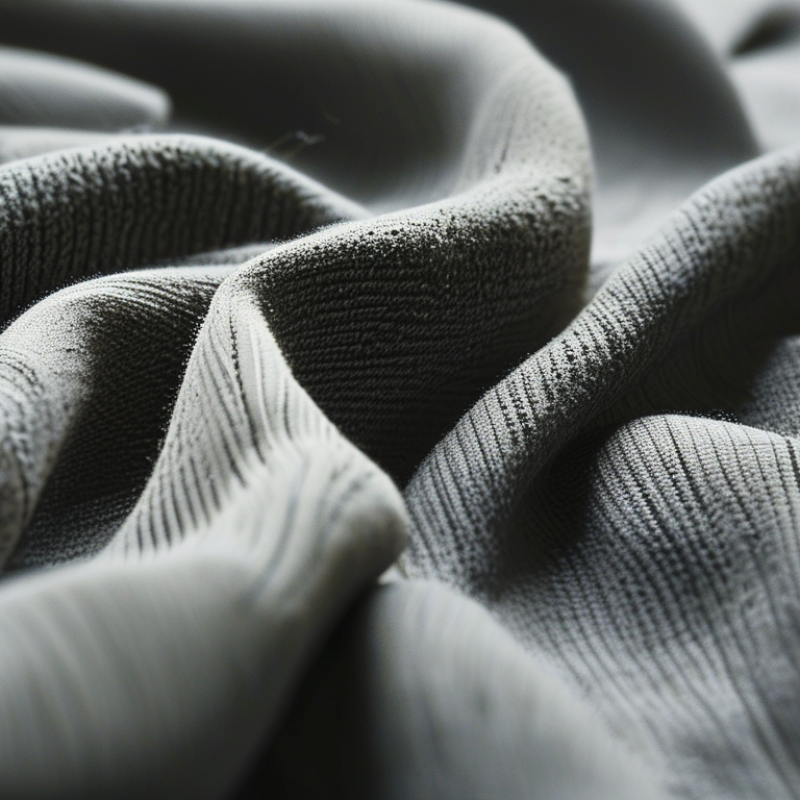
How to Evaluate Sportswear Fabric Quality for Global Buyers?

Understanding the Key Characteristics of Sportswear Fabrics

When evaluating sportswear fabric quality, several key characteristics come into play. Breathability is essential for comfort. Fabrics that allow moisture to escape keep the user dry during activities. Look for materials that feel lightweight and airy. This helps prevent overheating, especially in intense workouts.

Durability is another critical factor. Sportswear is often subjected to rigorous use. A fabric that easily tears or fades will disappoint buyers. Examine the stitching and seams as well. Strong and well-constructed garments can withstand wear and tear over time. Consider abrasion resistance, which measures how well the fabric resists damage from rubbing.

Moisture-wicking properties should not be overlooked either. Fabrics designed to pull sweat away from the skin are essential for performance wear. This feature enhances comfort during exercise. Evaluate the fabric's stretch and recovery as well. A good sports fabric needs to offer elasticity to allow freedom of movement. Yet, it should also return to its original shape after stretching. Selecting fabrics that combine these attributes can be challenging, but attention to detail in these areas is vital for quality assurance.

Identifying Fabric Composition and Its Impact on Performance

Understanding fabric composition is essential for evaluating sportswear quality. Different materials affect performance in various ways. For instance, polyester is known for moisture-wicking properties, keeping athletes dry. On the other hand, cotton is breathable but can absorb sweat, leading to discomfort. Recognizing these traits helps buyers make informed choices.

It's important to consider how blends of materials can enhance functionality. A mix of spandex with other fabrics can provide stretch and support. However, not all blends perform equally. Some mixes may compromise breathability or durability. This highlights the need for careful analysis.

Buyers should also be aware of the source of materials. Sustainable fabrics can impact performance and brand perception. Yet, some eco-friendly options might not offer the same functionality as synthetic fabrics. This discrepancy invites reflection on the balance between sustainability and performance, emphasizing the complexity in choosing sportswear.

Assessing Durability and Wear Resistance in Sportswear Fabrics

When evaluating sportswear fabrics, durability and wear resistance are paramount. The fabric's ability to withstand physical strain is crucial for athletes. Look for materials that feature robust stitching and reinforced seams. These details play a vital role in extending the life of sportswear, especially under rigorous use.

Consider testing the fabric’s resistance to abrasions. This can involve rubbing the material against a rough surface. Effective sportswear should show minimal wear during this process. Additionally, moisture-wicking properties are essential. Fabrics that dry quickly can reduce discomfort during intense activities, contributing to overall durability.

Observing how the fabric performs after repeated washing is also critical. Some materials may lose their integrity or color over time. It's important to ask potential suppliers about their testing methods. Transparency in quality assessments can enhance trust. Manufacturers should provide evidence of their claims to avoid any disappointments post-purchase. Trust your instincts and seek fabrics that not only meet but exceed basic performance expectations.

Durability and Wear Resistance in Sportswear Fabrics

Examining Moisture Management and Breathability Features

When evaluating sportswear fabric quality, moisture management is crucial. Fabrics that wick moisture away from the skin enhance performance significantly. Look for materials designed to pull sweat away, which can prevent discomfort during intense workouts. Test the fabric by feeling its surface and moisture absorption. Quality fabrics should feel dry to the touch, even after exercise.

Breathability is another essential feature. Breathable fabrics allow air circulation, keeping the body cool. Consider lightweight options with mesh panels or ventilation zones. These design elements improve airflow. A quick breath test can help; if the fabric allows for easy inhalation, it’s likely breathable. Sometimes, a fabric may appear lightweight but lack effective ventilation.

Additionally, garment construction affects overall moisture management and breathability. Every seam and stitch can impact performance. Poorly designed seams may restrict airflow. Inspect stitching closely. Even minor flaws can affect how well a fabric performs. Evaluating these features requires careful thought and attention to detail. Weigh the performance against the intended use to find the perfect fit for athletic needs.

Evaluating Environmental Impact and Sustainability of Fabric Choices

Evaluating the environmental impact and sustainability of sportswear fabrics is crucial for global buyers. Fabrics often come from various sources, including petroleum-based materials and natural fibers. According to the Environmental Protection Agency (EPA), textile manufacturing contributes to 1.2 billion tons of greenhouse gas emissions annually. This figure highlights the urgent need for sustainable practices.


When assessing fabric choices, consider the entire lifecycle. Materials like organic cotton and recycled polyester have a lower environmental footprint compared to conventional fabrics. The Global Fashion Agenda's 2021 Pulse Report indicates that only 25% of brands prioritize sustainable materials. This statistic reflects a broader industry challenge in adopting eco-friendly options.


Although innovations are promising, there are significant hurdles. Certification processes for sustainable fabrics can be complex and costly. Transparency in supply chains is often lacking, making it difficult to verify claims. Buyers must be cautious and seek reliable sources. This ongoing journey towards sustainability is critical, yet the path is fraught with challenges that require continuous reflection and improvement.

FAQS

: What is breathability in sportswear fabrics?

: Breathability allows moisture to escape, keeping the user comfortable during activities.

Why is durability important in sportswear fabrics?

Durability ensures that fabrics resist tearing and fading during rigorous use.

What should I look for in fabric stitching?

Strong stitching and reinforced seams help extend the life of sportswear.

How do moisture-wicking properties benefit athletes?

They pull sweat away from the skin, enhancing comfort during exercise.

Why is stretch and recovery important in sportswear fabrics?

Fabrics should allow freedom of movement and return to their original shape.

What environmental factors should I consider when selecting fabrics?

Look for materials with a lower environmental footprint, like organic cotton.

What challenges exist in sustainable fabric production?

Certification processes are complex, and supply chain transparency is often lacking.

How can the performance of fabrics change after washing?

Some fabrics may lose integrity or color, which can be disappointing.

What role does abrasion resistance play in fabric choice?

Good abrasion resistance indicates how well a fabric withstands physical strain.

How important is supplier transparency in fabric selection?

Transparency builds trust and helps ensure that quality claims are valid.

Conclusion

When considering how to evaluate sportswear fabric quality, it is essential to understand key characteristics that contribute to overall performance. Factors such as fabric composition, which greatly influences the functionality of the material, should be analyzed alongside the durability and wear resistance. High-quality sportswear must withstand rigorous activities while maintaining its form and comfort.

Moreover, moisture management and breathability are crucial features that impact user experience, especially during intense physical exertion. Assessing the environmental impact and sustainability of fabric choices is also increasingly important for conscious consumers. By thoroughly evaluating these aspects, buyers can make informed decisions that align with both performance needs and ethical standards in the textile industry.

Sienna

Sienna

Sienna is a skilled marketing professional with a deep expertise in our company’s core products and services. With a passion for innovation and detail, she plays a pivotal role in crafting insightful blog posts that not only highlight the unique features of our offerings but also provide valuable......