Choosing the right sportswear is essential for any athlete. Optimal performance is difficult without suitable clothing. Athletes often overlook this critical decision. They may focus only on their workout plans. However, clothing plays a crucial role in performance.
To truly understand how to choose the right sportswear, you need to consider various factors. Comfort is paramount. Fabrics should be breathable yet durable. The right fit also matters. Loose or tight clothing can restrict movement. Colors and styles might seem trivial, but they can influence an athlete's mindset.
It's easy to make mistakes. Many athletes buy based on trends rather than functionality. This can lead to chafing or overheating. Reflect on your experiences. Assess what works and what doesn't. With knowledge and careful selection, you can enhance your performance. Embracing this journey will lead to better results.
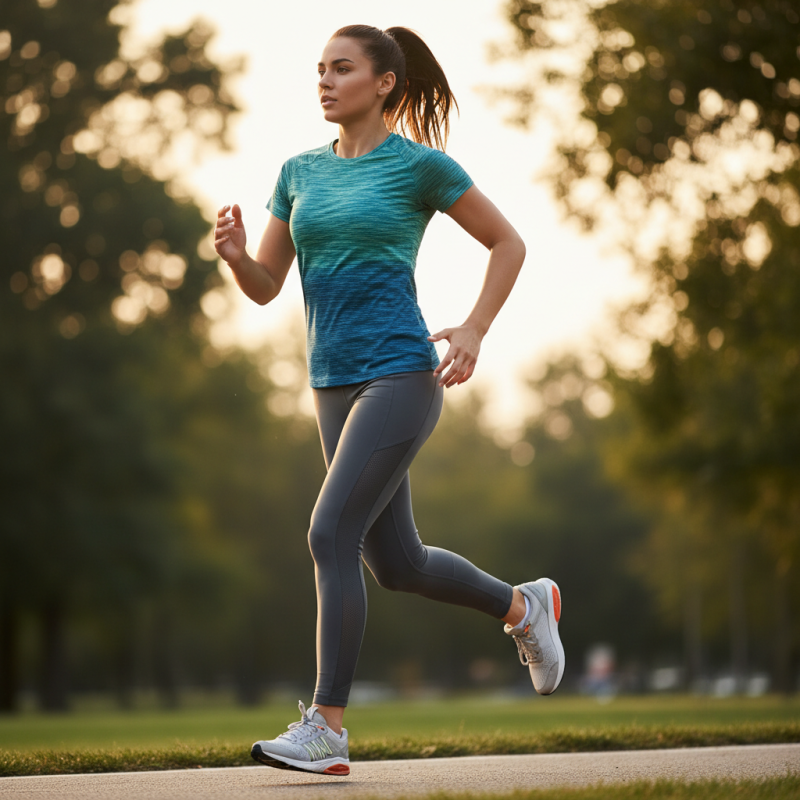
When selecting sportswear, the fabric's technology plays a crucial role in performance. High-quality materials can enhance breathability, wick moisture, and provide the necessary support. A report from the Sports & Fitness Industry Association highlights that 78% of athletes consider fabric technology vital in their clothing choices. Breathable fabrics can reduce overheating, allowing athletes to perform better during intense workouts.
For instance, fabrics like nylon and polyester are popular for their lightweight properties and durability. They help regulate body temperature and minimize chafing. However, not all sports apparel is created equal. Some fabrics trap heat, leading to discomfort. Research suggests that about 60% of runners experience issues related to improper fabric choices. This statistic shows the need for careful selection based on fabric technology.
Additionally, the importance of moisture-wicking materials cannot be overstated. These fabrics pull sweat away from the skin, keeping athletes dry and comfortable. The appropriate fabric can influence an athlete's focus and endurance, ultimately impacting performance. Reflect on your sportswear choices. Is it time to upgrade? Choosing the right fabric is more than fashion; it has real implications for your athletic success.
When selecting sportswear, fit and comfort take center stage. Athletes need gear that moves with them. Ill-fitting clothing can cause chafing and distractions. A snug fit is important, but it should not restrict movement. Fabric choice can also impact comfort. Breathable materials help regulate body temperature during intense workouts.
Athletic performance often hinges on psychological factors too. When clothes feel good, confidence increases. People are more likely to push their limits in comfortable attire. However, many overlook this aspect. It's easy to focus solely on style or brand. The right sportswear is a balance of function and aesthetics.
Finding the ideal fit may require trial and error. Every body is different, and what works for one may not work for another. Take time to try various styles and cuts. Pay attention to how the gear feels during movements. This is where the real test lies. Being mindful of these details can lead to enhanced performance and overall satisfaction.
| Sportswear Type | Material | Fit Type | Comfort Rating (1-10) | Performance Benefits |
|---|---|---|---|---|
| Running Shoes | Mesh Upper | Neutral Fit | 9 | Shock Absorption, Breathability |
| Compression Tights | Polyester Blend | Compression Fit | 8 | Muscle Support, Reduced Fatigue |
| Sports Bra | Nylon Spandex | High Support Fit | 10 | Stability, Comfort During Activity |
| Training Shorts | Lightweight Polyester | Loose Fit | 7 | Freedom of Movement, Coolness |
| Cycling Jersey | Moisture-Wicking Fabric | Athletic Fit | 9 | Aerodynamic, Quick-Drying |
When choosing sportswear, climate and activity are critical factors. Different environments demand specific materials and designs. For instance, runners in warm climates benefit from breathable fabrics. Lightweight, moisture-wicking materials enhance comfort. Conversely, colder settings require insulation. Layering options can keep warmth while allowing flexibility in movement.
Consider the activity type as well. High-impact sports like basketball necessitate durability and support. Fabrics must be resilient to handle intense movements. On the other hand, yoga or pilates practitioners might prioritize flexibility. Stretchable materials enable a full range of motion, allowing for better performance.
Reflect on your unique needs and preferences to make the best choice. Everyone's body is different, and what works for one may not work for another. It’s important to try different styles. Explore various fits and fabrics until you find the right combination. This personal touch can significantly impact your overall experience in your chosen sport.
When selecting sportswear, moisture-wicking properties play a crucial role in enhancing performance. Studies indicate that effective moisture-wicking fabrics can improve athletic performance by as much as 30%. This allows athletes to maintain optimal body temperature and comfort during strenuous activities. Since excess moisture can lead to discomfort and fatigue, the right materials can significantly impact overall efficiency.
Choosing fabrics designed to pull sweat away from the skin can prevent overheating. This is especially vital for endurance athletes. For instance, a report by the Sports and Fitness Industry Association states that nearly 60% of athletes experience increased fatigue due to improper moisture management. Therefore, selecting gear with superior moisture control becomes essential for serious competitors.
Tips: Look for fabrics labeled as breathable and moisture-wicking. Pay attention to the fit; too tight can restrict movement, while too loose may cause chafing. Testing different materials during workouts can also provide insight into what works best for you. Experimentation is key. Each athlete's preferences may differ, and finding the ideal gear can sometimes take time.
When it comes to sports performance, footwear plays a critical role. Choosing the right shoes can prevent injuries and enhance your performance. Properly designed shoes offer support and stability, crucial for various sports. Whether you’re running, cycling, or playing basketball, your footwear should match the demands of your activity.
Consider your foot shape and arch type. Not everyone has the same needs. Some require cushioned shoes for shock absorption, while others might benefit from minimalist designs for more ground feel. It's essential to spend time trying different options. Walk or jog around the store to test comfort and fit.
Ignoring signs of discomfort can lead to injuries. Blisters, aching arches, or stability issues signal it's time for new shoes. Regularly assess your footwear conditions. Worn-out shoes may look fine but can drastically affect your performance. Maintaining a healthy awareness of your footwear's status helps avoid setbacks in your training.
: Fabric technology enhances performance by improving breathability and moisture-wicking properties. This helps athletes stay dry and comfortable.
Fabrics like nylon and polyester are lightweight and durable. They regulate body temperature and minimize chafing during workouts.
Poor fabric choices can trap heat and cause discomfort. Approximately 60% of runners face issues due to incorrect fabric selections.
Fit is crucial for comfort and performance. Ill-fitting clothes can cause chafing and distractions during physical activities.
Comfortable attire boosts confidence, allowing athletes to perform better. They are more likely to push their limits when they feel good.
Different climates require specific materials. Warm climates benefit from breathable fabrics, while colder areas need insulation for warmth.
High-impact sports require durable fabrics, while activities like yoga need flexible materials for optimal movement and performance.
Finding the ideal fit may require trial and error. Try different styles and pay attention to how they feel during movement.
Yes, many people focus on style over function. The best sportswear balances aesthetics with performance features to enhance experience.
Upgrading can significantly improve comfort and performance. Reflect on your choices to ensure your gear meets your activity's demands.
In today's athletic world, understanding how to choose the right sportswear is crucial for achieving optimal performance. One of the primary considerations is fabric technology, as advanced materials can significantly enhance breathability and flexibility. Additionally, fit and comfort play vital roles in how athletes perform; poorly fitting gear can lead to distractions and decreased efficiency during activities.
Another essential factor is the specific climate and activity requirements, ensuring that sportswear is tailored for the conditions and type of exercise involved. Moisture-wicking properties are also important, as they help manage sweat and keep athletes dry, further improving performance. Finally, selecting appropriate footwear is critical for preventing injuries and maximizing overall performance effectiveness. By carefully evaluating these aspects, athletes can make informed choices that enhance their sporting experience.

Wearth Apparel